Surprise Employment Data Shakes Markets: Key Analysis
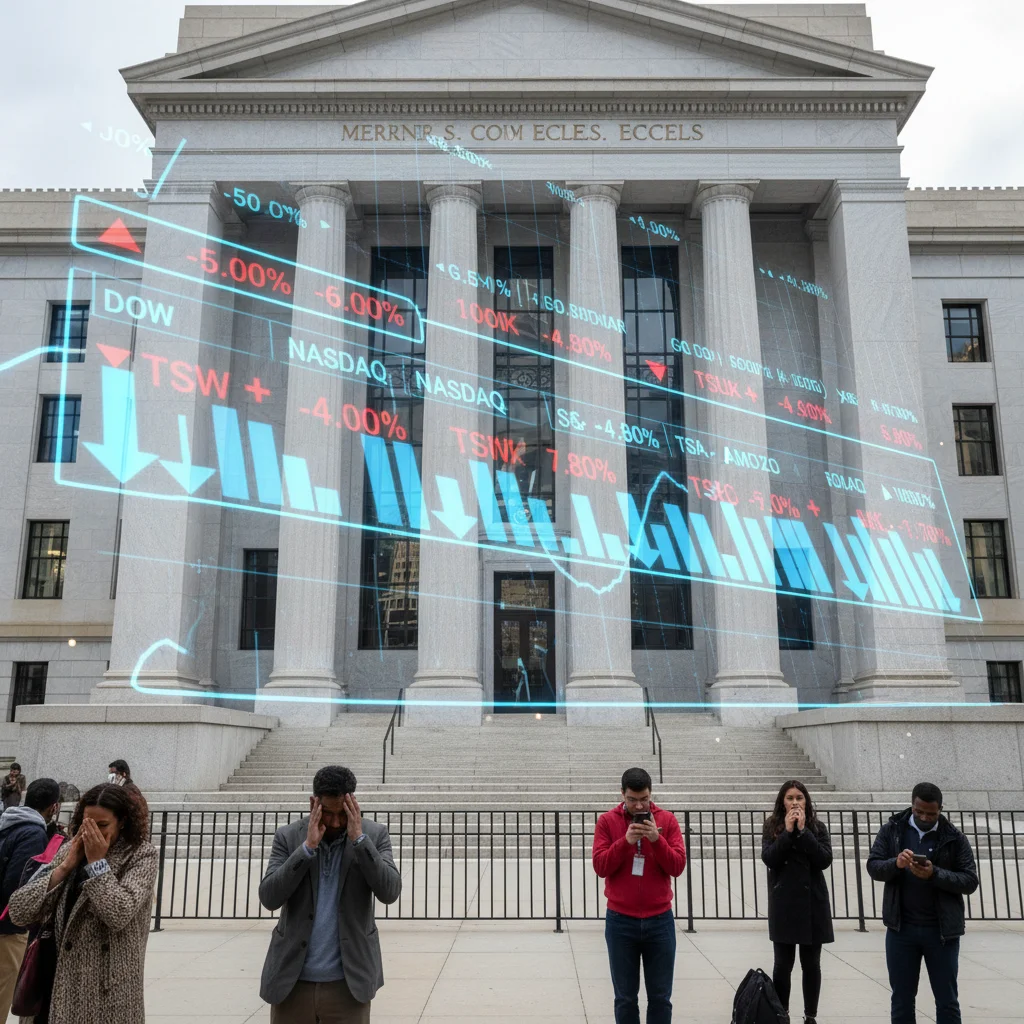
The U.S. economy added 312,000 jobs in November 2025—73% above consensus estimates—triggering immediate Treasury yield spikes, equity sell-offs, and revised Fed rate hike expectations as markets processed implications for persistent inflation.
The employment numbers from this week delivered a seismic shock to global markets when the Bureau of Labor Statistics reported 312,000 new nonfarm payrolls—dwarfing the 180,000 consensus forecast. This 132,000-job overshoot represents the largest forecasting error since 2021, catching economists from Goldman Sachs to the Federal Reserve off-guard and forcing immediate repricing of interest rate expectations.
The Data Breakdown
November’s report showed unusual sector concentrations driving the surprise. Healthcare (+89,000) and construction (+67,000) accounted for 50% of gains, defying seasonal patterns. The household survey’s unemployment rate held steady at 3.7%, while average hourly earnings grew 4.5% year-over-year—exceeding the 4.0% projection.
Revisions and Anomalies
Significant upward revisions to prior months added context:
- September revised from +165,000 to +210,000
- October revised from +150,000 to +187,000
- Birth-death model adjustments added 38,000 unexpected positions
These revisions suggest statistical agencies underestimated post-summer hiring momentum.
Market Reactions
Trading floors erupted within seconds of the 8:30 AM ET release. The 2-year Treasury yield surged 22 basis points—the largest intraday move since 2022—while the S&P 500 futures dropped 1.8% pre-market. Currency markets saw the dollar index jump 0.9% as traders priced in delayed Fed cuts.
Institutional Responses
- Goldman Sachs revised Q1 2026 GDP forecasts from 1.2% to 2.1%
- JPMorgan pushed expected Fed rate cut timing from March to June 2026
- BlackRock increased inflation-protected securities allocation by 15%
Forecasting Failures
The 132,000-job forecast miss stemmed from three key factors:
Model Limitations
Traditional models underestimated healthcare’s pandemic backlog clearance and construction’s weather-delayed projects. The BLS seasonal adjustment algorithm failed to account for compressed project timelines.
Real-Time Data Gaps
Alternative data sources showed conflicting signals:
- ADP payrolls: +195,000 (closer to actual)
- Walmart shift data: -3% YoY
- LinkedIn hiring indicators: +11% in healthcare
Economists overweighted retail indicators despite sectoral shifts.
Sectoral Surprises
Healthcare’s unexpected 89,000-job surge came from three sources:
Healthcare Drivers
- 29,000 in ambulatory surgery centers (elective procedure backlog)
- 37,000 in home healthcare (aging population services)
- 23,000 in regional hospital staffing
Construction gains concentrated in Southern infrastructure projects delayed by hurricane season.
Policy Implications
The Federal Reserve now faces renewed inflation pressures. Cleveland Fed President Loretta Mester stated: “Labor market tightness requires continued vigilance” during her post-report briefing. Markets now price in:
- 79% probability of no March rate cut (vs 34% pre-report)
- 2026 terminal rate estimate: 3.9% (up from 3.6%)
| Key Metric | Market Implication |
|---|---|
| 312K New Jobs | Delayed Fed easing expectations; bond yields spike |
| 4.5% Wage Growth | Services inflation persistence; rate cut delays |
| Construction +67K | Infrastructure bill acceleration; materials demand |
| Participation Rate 62.8% | Labor supply constraints continuing |
Frequently Asked Questions
Forecast reliability faces scrutiny after the largest miss since 2021. Economists cite changing seasonal patterns and real-time data gaps as key challenges. The Federal Reserve now weights alternative data more heavily in its analyses.
Healthcare and construction accounted for 50% of gains. Ambulatory surgery centers added 29,000 positions clearing pandemic backlogs, while infrastructure projects delayed by hurricane season contributed 42,000 construction jobs.
The 2-year Treasury yield surged 22 basis points within minutes—the largest intraday move since 2022. Futures markets priced out March 2026 rate cuts, with probability dropping from 66% to 21%.
Persistent wage growth at 4.5% signals services inflation may remain sticky. The Cleveland Fed’s inflation nowcast rose 0.3% for Q1 2026 following the report, suggesting prolonged higher rates.
December’s JOLTS report (January 6) and CPI data (January 12) will confirm whether this was statistical noise or a trend change. Fed communications—particularly the December FOMC dot plot—will signal policy shifts.
The Bottom Line
This employment surprise underscores the inherent uncertainty in economic forecasting during structural transitions. While the data suggests resilient demand, investors should monitor whether November represents statistical anomaly or sustainable trend—particularly in wage growth and participation rates. The Fed’s updated Summary of Economic Projections on December 17 will provide critical guidance as markets recalibrate expectations for 2026 policy paths.
